viernes, julio 29, 2016

Bill Gates’ failing Alliance for a Green Revolution in Africa


Eric Holt-Giménez and Lauren Tate Baeza | 07.25.2016

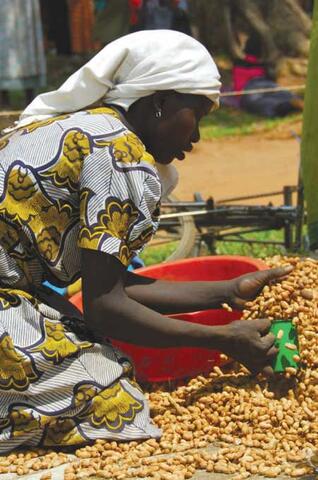
For a decade, Bill Gates—the quintessential technocrat—has been trying to end hunger in Africa by re-launching (yet again) the Green Revolution. One could forgive his mistakes as a development neophyte if the stakes were not so high and the mistakes were not so predictable. His brainchild is AGRA—the Alliance for a Green Revolution in Africa. AGRA’s main goal is to increase farmers’ grain yields with credit, chemical fertilizers and hybrid seeds. Aware that fertilizer application alone ultimately destroys soils in the tropics, AGRA also promotes soil-building with nitrogen-fixing legumes. Independent analyses of AGRA’s work are rare, so the recent release of a report on two of AGRA’s projects in Malawi by the African Centre for Biodiversity (ACB) quickly spread over the internet. Entitled “Green Revolution Dead End in Malawi,” the report is highly critical of AGRA’s approach to agricultural development.

Etiquetas: , , , , ,

viernes, febrero 19, 2016

Trevor Noah on Fresh Air


http://www.npr.org/2016/02/18/467175568/under-apartheid-
trevor-noahs-mom-taught-him-to-face-injustice-with-humor

Under Apartheid, Trevor Noah's Mom Taught Him To Face Injustice With Humor

Growing up in South Africa with a white father and a black mother, Trevor Noah confronted prejudices on both sides. He tells Fresh Air's Terry Gross that both white people and black people would express fear and biases to him. Then, he says, "I'd have to explain to them, 'Hey, you can't think like that. You can't hold these views, because you're generalizing everybody.' "

His experience growing up enables him to see both sides of an issue — which helps when it comes to creating political satire on The Daily Show. "I've understood multiple experiences simultaneously," he says. "That's something I've always done and I continue to do till this day: I try and see the perspective of the other side."

Etiquetas: , , , , , , ,

martes, diciembre 01, 2015

Agroecology case studies

http://www.oaklandinstitute.org/agroecology-case-studies

While agroecology promotes low use of external inputs, it is a very knowledge-intensive system. Transmission of this knowledge, adaptation to local contexts, and appropriation by farmers and government technicians, are essential steps for farmers and communities to reap the benefits of agroecology. The case studies demonstrate how the expansion of agroecological practices will generate a rapid, fair and inclusive development, that can be sustained for future generations.

Foires aux Semences en Ouganda et en République Démocratique du Congo

******

A large variety of techniques are used to increase yields in a sustainable way: plant diversification, intercropping, application of mulch, manure or compost for soil fertility, and natural management of pests and diseases. Often combined, these have been success stories all over the African continent. In Ethiopia, a low external input approach led to a doubling of Tigray's grain yield between 2003 and 2006, while fertilizer use decreased by 40%. In East Africa, over 96,000 farmers have adopted the Push-pull system that fights the parasitic Striga weed and stem borers invasion in maize fields, without any chemical insecticides and herbicides. Maize yields have increased three-fold as a result. Kenyan farmers who adopted theGrow Biointensive approach, using mainly compost, close spacing of plants, and intercropping, increased their yields by 2-4 times compared to conventional farming while using 70 to 90 % less water, and purchasing 50 to 100% fewer inputs.

Etiquetas: , , ,

lunes, julio 27, 2015

Rob Wallace: Explaining the rise of Ebola

http://www.independentsciencenews.org/health/neoliberal-ebola-the-agroeconomic-origins-of-the-ebola-outbreak/


Neoliberal Ebola: The Agroeconomic Origins of the Ebola Outbreak


EXCERPT:

The answer, little explored in the scientific literature or the media, appears in the broader context in which Ebola emerged in West Africa.

The truth of the whole, in this case connecting disease dynamics, land use and global economics, routinely suffers at the expense of the principle of expediency. Such contextualization often represents a threat to many of the underlying premises of power.

In the face of such an objection, it was noted that the structural adjustment to which West Africa has been subjected the past decade included the kinds of divestment from public health infrastructure that permitted Ebola to incubate at the population level once it spilled over.

The effects, however, extend even farther back in the causal chain. The shifts in land use in the Guinea Forest Region from where the Ebola epidemic spread were also connected to neoliberal efforts at opening the forest to global circuits of capital.

Daniel Bausch and Lara Schwarz characterize the Forest Region, where the virus emerged, as a mosaic of small and isolated populations of a variety of ethnic groups that hold little political power and receive little social investment. The forest’s economy and ecology are also strained by thousands of refugees from civil wars in neighboring countries.

The Region is subjected to the tandem trajectories of accelerating deterioration in public infrastructure and concerted efforts at private development dispossessing smallholdings and traditional foraging grounds for mining, clear-cut logging, and increasingly intensified agriculture.

Etiquetas: , ,

domingo, mayo 31, 2015

IDFA 2013 | Trailer | I, Afrikaner


http://www.iafrikanerfilm.com

Nearly 20 years after South Africa's democracy, I, Afrikaner: an intimate family saga filmed over a near decade. It's the story of four generations and their response to an ever-changing inner and outer landscape. Filmed over 9 years, I, AFRIKANER, is a challenging and intimate portrait of a filmmaker’s family trapped in an unsolvable conflict. 

Set in rural South Africa where land is a highly contentious issue and violence against white farmers is endemic, the film journeys into how four generations deal with change in a post Apartheid era. Her grandmother, who leaves the farm after an attack; her brother and sister-in-law as they push forward with the traditional Afrikaner dream of farming commercial land; and her young niece, whose post-Apartheid upbringing and views are tested when tragedy comes to the farm.


Etiquetas: , , , ,

domingo, abril 05, 2015

Kenya and Charlie Hebdo


Kenya and Charlie Hebdo: Why Some Tragedies Seem to Matter More | teleSUR
As Kenya began three days of nationwide mourning Sunday, the international community’s response to the Garissa University College massacre was lethargic at best.

Etiquetas: , , ,

jueves, marzo 19, 2015

Remembering the 2011 NATO Bombing of Libya (I wrote the text)

sábado, octubre 25, 2014

The political economy of Africa's burgeoning chemical fertiliser rush

http://www.grain.org/bulletin_board/entries/5008-the-political-economy-
of-africa-s-burgeoning-chemical-fertiliser-rush


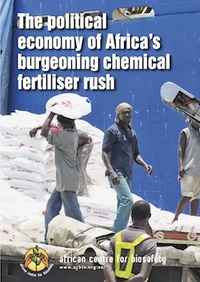
The African Centre for Biosafety has today released an in-depth report, The Political economy of Africa’s burgeoning chemical fertiliser rush, which looks at the role of fertiliser in the Green Revolution push in Africa, some of the key present and future fertiliser trends on the continent and the major players involved in this.

Download the full report (PDF): tinyurl.com/m3k6gov


Etiquetas: , ,

viernes, diciembre 06, 2013

US government considered Mandela a terrorist until 2008

http://ww4report.com/node/12816

Nelson Mandela: forgotten history

Submitted by Bill Weinberg on Thu, 12/05/2013


EXCERPT:

Mandela was only removed from the US State Department's "terrorist watch list" in 2008—15 years after his Nobel Peace Prize! And this due an act of Congress granting a "waiver" to the anti-apartheid leaders. All leaders of the African National Congress were listed at the behest of the apartheid regime in the 1980s. (See CNN, July 2, 2008) Just two months ago, senior ANC leader Tokyo Sexwale—for years imprisoned along with Mandela on Robben Island—was detained (held "for further screening," the US said) at New York's Kennedy Airport because his name on the watchlist triggered security. The ANC protested the indignity as "an affront to the global anti-apartheid movement." (The Mercury, Durban, Nov. 1; BBC News, Oct. 28)
A Huffington Post piece today recalling Mandela's official watch-listing also notes that the UK's Margaret Thatcher described the ANC as a "typical terrorist organization" in 1987. 

Etiquetas: , , , , ,

domingo, diciembre 23, 2012

Betting on World Agriculture: US Private Equity Managers Eye Agricultural Returns


http://www.oaklandinstitute.org/betting-world-agriculture-us-private-equity-managers-eye-agricultural-returns


Since the food and financial crisis started in 2007, the flow of private capital into farmland and agriculture has grown dramatically globally. While these investments have generated hopes for alleviating hunger and the effects of climate change, evidence also demonstrates that large land deals left unchecked can be detrimental to food security, local livelihoods, and the environment. 

This “land rush” involves a wide range of countries and interrelated financial actors, including development agencies, public/private companies, public/private pension funds, endowment funds, sovereign funds, high net worth individuals, private equity firms, hedge funds, and real estate managers, among others.
This report focuses on the role of private investment vehicles that advertise and manage investment opportunities in farmlands and agriculture for investors, such as institutional end investors e.g. pension funds, endowments, foundations, and high net worth individuals. This secluded and highly unregulated form of investment typically seeks to gain control of private land and farm assets, to resell them at a superior market return after an agreed period of time and/or to generate cash from rents.

Etiquetas: , , ,

jueves, mayo 24, 2012

Obama wrong about hunger in Africa


The New Alliance for Food Security and Nutrition: Nothing New About Ignoring Africa's Farmers

By Eric Holt-Giménez, originally published by Huffington Post, May 23, 2012
President Barack Obama wants to convince the world that he is actually a liberal after all.
First he not-so-hastily follows Vice-president Joe Biden's support for gay marriage to assure us he is a social liberal. Then, last week at the G8 meeting, he announces The New Alliance for Food Security and Nutrition -- a $3 billion corporate investment initiative to end hunger in Africa -- to remind us he is still an economic liberal.
Not that the world needs reminding.
Like Bush, Clinton and every other president since Ronald Reagan, Obama believes that proprietary technologies, unregulated global markets and the unchecked power of corporate monopolies will solve all our social, economic and environmental ills. Never mind that 30 years of economic liberalization has impoverished the farmers of the global South, kicked off global warming, pushed the number of hungry people up over 1 billion and dragged us into the largest world-wide economic depression since -- well, the last liberal Great Depression.
The New Alliance is an initiative to convince the world that government and industry are finally doing something about world hunger. But as one African civil society group pointed out, it is not new and it is not an alliance.
Industrialized governments have given less than 6 percent in new money of the $22 billion they pledged three years ago to rebuild southern agriculture. The monopolies that made record profits during the 2008 and 2011 global food crises also came up with several globally-touted initiatives to end hunger... these were so quickly forgotten one can't even find their websites anymore. Neither governments nor global corporations bothered to consult with those who have the biggest stake in rebuilding agriculture in Africa: the farmers.
There's a good reason why the 45 members of the New Alliance don't want to hear from the people actually growing the food in Africa... farmers would say that Africa is actually a rich continent and it is the continued extraction of wealth by foreign corporations that causes poverty and hunger -- that the first Green Revolution did not "bypass" Africa; it failed. A new one spearheaded by the same institutions presently spreading GMOs and land grabbing throughout the continent will do more harm than good.
Is that assessment harsh? Anti-colonial? Radical? Yes. It is also true.
Read this, from a letter addressed to the African Union and signed by 15 African peasant farmer federations:
Today we are faced with two contrasting aspirations in Sub-Saharan Africa: the desire to regain control of our development and, on the other hand, the temptation of an excessive reliance on external resources... [African governments] should accord the major advantages to the principal investors in agriculture, those who take the risks within the family enterprises, that is, the peasants, and not to urban or foreign sources of capital.
This last point is especially poignant because, as explained by USAID's rather inexperienced director, Dr. Rajiv Shah, government just can't do things like develop seeds, build silos, or establish distribution networks. For that we need the private sector, i.e. the monopolies. Dr. Shah is too young to remember the first Green Revolution, in which government did precisely those things. He is also too young to remember a world without rapacious global monopolies. Unsurprisingly, USAID wants the Alliance to help remove the risks for foreign investment in Africa so that Monsanto, Yara and other giants can combat hunger the old fashioned way -- by making a profit on it. Well, it happens that agriculture is inherently risky. If multi-billion dollar corporations aren't willing to take any risks to end hunger -- and with African states decimated after three decades of World Bank/IMF structural adjustment programs -- then it will fall upon poor farmers to take the risks. No wonder the New Alliance didn't consult with them.
African farmers got wind of it, though. Here's what they told their leaders in regards to having the global monopolies and the G8 decide their futures:
We must build our food policy on our own resources as is done in the other regions of the world. The G8 and the G20 can in no way be considered appropriate fora for decisions of this nature.
In case there was any doubt about which corporate projects African farmers specifically see as compromising the sovereignty of countries on the African continent, they identify them by name:
Three events have accentuated [our] doubts. First of all the misunderstandings around the principle of the green revolution proposed by AGRA (Bill Gates' Alliance for a Green Revolution in Africa-Ed.). Then the World Economic Forum where 'Grow Africa' was launched. And finally, USAID's approval of the "New Alliance for Food Security." All are three are signals... which risk seriously compromising the realization of the original missions of [African] policies.
There are other alliances being built around the world to forge equitable and sustainable solutions to hunger. They not only consult with farmers, but are led by farmers. They rely on time-tested and internationally-recognized agroecological methods and ensure food security through food sovereignty -- the right of peoples to protect their own food systems. President Obama would do much better to build authentically new partnerships with them rather than engaging in business as usual with the corporations that brought us hunger in the first place.

Etiquetas: , ,

jueves, mayo 03, 2012

Middle Eastern investors invade Sudan

http://www.corpwatch.org/article.php?id=15716


Middle Eastern Investors “Grab” Sudan Farmland
Posted by Pratap Chatterjee on April 30th, 2012
CorpWatch Blog
Salah, Sudanese farmer. Photo: Al Jazeera TV
Dalla Al Baraka, a Saudi conglomerate with an estimated $5 billion in annual revenue, has acquired two million acres of farmland in eastern Sudan, to produce food for export to the Middle Eastern kingdom. While the investors are hoping to wean Saudi Arabia off imports from South America, such agreements have also caused concern among local Sudanese farmers.

Sporadic protests have occurred in Jazira state where much of best land is being bid on by foreign investors. "The farmers are complaining, because the price they are being offered for their land is not fair," Majdi Selim, a local lawyer and political activist told Agence France Press last year. Their concerns are part of a trend that is accelerating around the world according to multiple reports tracked by farmlandgrab.org, a website run by GRAIN, an international NGO.

Sudan, which was divided into two countries in 2011, is expecting a sharp downturn in its export income because most of its oil deposits became part of the new nation of South Sudan. This has served as an impetus for Khartoum to seek other forms of income. Ali Mahmood Abdel-Rasool, the finance and national economy minister, led a delegation to Saudi Arabia in March to seek foreign investment.

Sheikh Saleh Kamel, the founder of Dalla Al Baraka, told the Sudan Tribune that the two million hectares that he has obtained will be considered a “free trade” zone: that is to say his company would neither have to pay taxes nor follow Sudanese laws. He is not the only outside investor - Essa Abdullah Al Ghurair of Al Ghurair Foods in the United Arab Emirates has just leased 100,000 hectares of farmland in Sudan. And Mustafa Abdul Jalil, the chairman of Libya’s ruling National Transitional Council, says this government is also considering investment in Sudanese land.

Local farmers in Sudan are say they have not been consulted on the plans to lease off the country’s land. “The whole process is not clear to me because part of it is the sale of land, part is rent and part is lending,” Salah of the Al Jazira Land Owners Group told Mohamed Vall of Al Jazeera television in an interview about the subject this past January. “Agricultural land is the basic source of living for most people here, so if all the arable land is given to big companies, what are those people going to live on?” (the word “jazeera” means peninsula, and is a common business title)

Others think the new investors can help. “There is vast area of empty fertile (land) with plenty of water. This land has remained empty for hundreds, if not thousands of years and it will remain (that way) It needs mechanization, it needs capital,” Mamoun, Salah’s cousin, who is also a local farmer, told Al Jazeera TV.

Sudan is not the only country to be targeted for export agriculture. Indeed a new “gold rush” on farmland has begun in the Third World, say studies by GRAIN, a global think tank based in Barcelona, the International Land Coalition (ILC), based in Italy, and Oxfam in the UK. ILC and Oxfam have created a ‘Land Matrix’ of deals which suggest that 71 million hectares have been “grabbed” by international investors. Africa accounts for almost half at 34 million hectares, followed by Asia with some 29 million hectares and South America with about 6 million hectares.

These investments or “landgrabs” have fomented anger and even violence, on occasion. In neighboring Ethiopia, Saudi Star, a similar Saudi Arabian project in Gambella province, the extremely fertile southwestern region of the country, was attacked on April 28 evening. Ten people, most of whom were agricultural experts from Pakistan, were allegedly killed at the 10,000 hectare agricultural rice farm owned by the billionaire Al Amoudi.

Etiquetas: , , , , ,

miércoles, marzo 14, 2012

Dangerous ignorance: The hysteria of Kony 2012


Adam Branch

Adam Branch
Adam Branch is senior research fellow at the Makerere Institute of Social Research, Uganda, and assistant professor of political science at San Diego State University, USA. He is the author of Displacing Human Rights: War and Intervention in Northern Uganda.

Dangerous ignorance: The hysteria of Kony 2012

The video qualifies as irresponsible advocacy by prompting militarisation and detracting from Uganda's real problems.


http://www.aljazeera.com/indepth/opinion/2012/03/201231284336601364.html

Kampala, Uganda - From Kampala, the Kony 2012 hysteria was easy to miss. I'm not on Facebook or Twitter. I don't watch YouTube and the Ugandan papers didn't pick up the story for several days. But what I could not avoid were the hundreds of emails from friends, colleagues, and students in the US about the video by Invisible Children and the massive online response to it.

I have not watched the video. As someone who has worked in northern Uganda and researched the war there for more than a decade, much of it with a local human rights organisation based in Gulu, the Invisible Children organisation and their videos have often left me infuriated - I remember the sleepless nights after I watched their "Rough Cut" film for the first time with a group of students, after which I tried to explain to the audience what was wrong with the film while on stage with one of the filmmakers.

My frustration with the group has largely reflected the concerns expressed so convincingly by those online critics who have been willing to bring the fury of Invisible Children's true believers down upon themselves in order to point out what is wrong with this group's approach: the warmongering, the narcissism, the commercialisation, the reductive and one-sided story they tell, their portrayal of Africans as helpless children in need of rescue by white Americans.
As a result of Invisible Children's irresponsible advocacy, civilians in Uganda and central Africa may have to pay a steep price in their own lives so that a lot of young Americans can feel good about themselves, and a few can make good money. This, of course, is sickening, and I think that Kony 2012 is a case of Invisible Children having finally gone too far. They are now facing a backlash from people of conscience who refuse to abandon their capacity to think for themselves.
But, as I said, I wouldn't have known about Kony 2012 if it hadn't been for the emails I've been receiving from the US. And that, I think, is telling. Kony 2012 and the debate around it are not about Uganda, but about America. Uganda is largely just the stage for a debate over the meaning of political activism in the US today. Likewise, in my view, the Kony 2012 campaign itself is basically irrelevant here in Uganda, and perhaps the best approach might be to just ignore it. This is for a couple reasons.
First, because Invisible Children's campaign is a symptom, not a cause. It is an excuse that the US government has gladly adopted in order to help justify the expansion of their military presence in central Africa. Invisible Children are "useful idiots", being used by those in the US government who seek to militarise Africa, to send more and more weapons and military aid, and to bolster the power of states who are US allies.
The hunt for Joseph Kony is the perfect excuse for this strategy - how often does the US government find millions of young Americans pleading that they intervene militarily in a place rich in oil and other resources? The US government would be pursuing this militarisation with or without Invisible Children - Kony 2012 just makes it a little easier. Therefore, it is the militarisation we need to worry about, not Invisible Children.

Second, because in northern Uganda, people's lives will be left untouched by this campaign, even if it were to achieve its stated objectives. This is not because all the problems have been resolved in the years since open fighting ended, but because the very serious problems people face today have little to do with Kony.

Inside Story - 'Kony 2012': The future of activism
The most significant problem people face is over land. Land speculators and so-called investors, many foreign, in collaboration with the Ugandan government and military, are grabbing the land of the Acholi people, land that the Acholi were forced from a decade ago, when the government herded them into internment camps.
Another serious problem is so-called "nodding disease" - a deadly illness that has broken out among thousands of children who had the bad luck to be born and grown in the camps, subsisting on relief aid. Indeed, the problems people face today are the legacy of the camps, where more than a million Acholi were forced to live, and die - for years - by their own government as part of a counterinsurgency that received essential support from the US government and from international aid agencies.

Which brings up the question that I am constantly asked in the US: "What can we do?", where "we" tends to mean relatively privileged US citizens. In response, I have a few proposals:
The first, perhaps not surprising from a professor, is to learn. The conflict in northern Uganda and central Africa is complicated, but not impossible to understand. For several years, I have taught an undergraduate class on the conflict, and although it takes some time and effort, the students end up being well informed and able to come to their own opinions about what can be done. (I am more than happy to share the syllabus with anyone interested!)
In terms of activism, the first step is to re-think the question: Instead of asking how the US can intervene in order to solve Africa's conflicts, we need to ask what we are already doing to cause those conflicts in the first place. How are we, as consumers, contributing to land grabbing and to the wars ravaging this region? How are we, as US citizens, allowing our government to militarise Africa in the name of the "War on Terror" and its effort to secure oil resources?
These are the questions that we who represent Kony 2012's target audience must ask ourselves, because we are indeed responsible for the conflict in northern Uganda - responsible for helping to cause and prolong it. It is not, however, our responsibility, as Invisible Children encourages us to believe, to try to end the conflict by sending in military force. In our desire to ameliorate suffering, we must not be complicit in making it worse.
Adam Branch is senior research fellow at the Makerere Institute of Social Research, Uganda, and assistant professor of political science at San Diego State University, US. He is the author of Displacing Human Rights: War and Intervention in Northern Uganda.
A version of this article first appeared on the CIHA Blog at UC Irvine.
The views expressed in this article are the author's own and do not necessarily reflect Al Jazeera's editorial policy.

Etiquetas: , , , ,

martes, marzo 13, 2012

Kony nonsense exposed

A great article that exposes the Kony nonsense that is all over the internet.

Invisible Children "Kony 2012" Leader Suggests It's About Jesus and Evangelizing

By Bruce Wilson

Is one of the biggest viral video in history Christian fundamentalist propaganda? Invisible Children's founder lays out his agenda at Liberty University.

http://www.alternet.org/world/154477/invisible_children_%22kony_2012%22_leader_suggests_it%27s_about_jesus_and_evangelizing

Etiquetas: , ,

domingo, diciembre 11, 2011

Extractivismo, crecimiento sin beneficios sociales

POR SOCIAL WATCH


“En un esfuerzo para atraer inversores, las salvaguardias y los requisitos sobre desempeño quedaron sin efecto y la consecuencia fue un deterioro ambiental sin beneficios sociales, en países como Armenia, Azerbaiyán, Bolivia, Chile, Venezuela y Zambia."

El crecimiento económico que cuenta con los sectores extractivos como principal motor, alentados por el alza de precios de los productos básicos, “no beneficia a las mayorías” de la población de los países en desarrollo, según el Informe de Social Watch 2012, que será presentado a mediados de diciembre en Nueva York.

“En un esfuerzo para atraer inversores, las salvaguardias y los requisitos sobre desempeño quedaron sin efecto y la consecuencia fue un deterioro ambiental sin beneficios sociales” en países como Armenia, Azerbaiyán, Bolivia, Chile, Venezuela y Zambia, escribió en el prólogo Roberto Bissio, coordinador de Social Watch y redactor responsable del informe.

Las industrias extractivas, el monocultivo en áreas extensas y los grandes proyectos de energía son algunos aspectos de la prioridad que asignan los gobiernos al crecimiento económico. “La descripción de la situación en Vietnam puede aplicarse a muchos otros lugares”, agregó Bissio, quien citó el informe nacional redactado por el punto focal de Social Watch en ese país, VUFO-NGO Resource Centre: “El rápido crecimiento económico añade tremendas tensiones al ambiente natural […]. A medida que crecen la población, la economía y la urbanización […], las principales amenazas al ambiente incluyen la sobreexplotación los bosques, la pérdida de tierras fértiles, contaminación del agua y del aire, erosión del suelo debida a prácticas agrícolas insostenibles, pérdida de biodiversidad a causa de la caza furtiva en parques nacionales y daños ambientales por la minería.”

“La desigualdad es razón por la cual, contra todas las teorías y modelos, la pobreza no retrocede, o lo hace con mucha lentitud aun en países donde la economía crece con mucha rapidez”, advirtió Bissio en el prólogo, titulado, como esta edición del Informe, “El derecho al futuro”.

A continuación se reproducen algunos pasajes de los aportes nacionales al informe, relativas a las consecuencias de las actividades extractivas:

Armenia: Socavando el medio ambiente

A pesar del reciente crecimiento económico, Armenia continúa enfrentando desafíos económicos, sociales y medioambientales. El Gobierno ha puesto en marcha un programa de Desarrollo Sustentable, pero al mismo tiempo ha efectuado importantes inversiones en minería y en otras industrias extractivas. […] El Gobierno tampoco ha abordado la contaminación, la deforestación, la degradación del suelo u otros problemas medioambientales. […]Solamente el 7% del territorio permanece forestado, muy por debajo del 35% de hace dos siglos, y gran parte de los bosques están degradados.

Las principales causas incluyen el uso de la madera como combustible […] y la decisión del Gobierno de permitir la minería en áreas ecológicamente sensibles […].Gran cantidad de problemas medioambientales de Armenia están vinculados a la corrupción, principalmente en lo relativo a la forestación y la minería. Por ejemplo, las restricciones medioambientales no se cumplen en la mayoría de las operaciones mineras; en el período comprendido entre 2001 y 2007, el entonces Ministro de Protección de la Naturaleza concedió varias licencias mineras a familiares.

El Gobierno está aplicando un modelo de desarrollo liderado por la extracción, como lo evidencia su voluntad de permitir la inversión masiva en minería. El Programa Armenio del Cobre (PAC), por ejemplo, ha concedido una licencia de 24 años para extraer minerales de cobre y molibdeno de las Montañas Teghut […]. PAC ha declarado que va a compensar el daño ocasionado por la plantación de árboles en Ereván, pero […] los árboles nuevos no pueden sustituir los hábitats forestales establecidos; los árboles maduros no pueden sobrevivir una mudanza. […]Las operaciones mineras habrán de producir desecho de rocas y residuos que pueden contener plata, oro, renio, plomo, arsénico, cobre, molibdeno, zinc y productos químicos de azufre. [Informe nacional elaborado por Centro para el Desarrollo de la Sociedad Civil.]

Azerbaiyán: El derrumbe del modelo extractivo

Azerbaiyán, uno de los territorios industrialmente más contaminados del mundo, debe cambiar su antigua economía extractivista por una sustentable. Debe adoptar además nuevas políticas medioambientales y mejorar el diálogo entre el gobierno y la sociedad civil. […] La dependencia en la industria petrolera y la petroquímica sigue causando daños medioambientales graves, desde la degradación del suelo hasta la contaminación del agua y el aire. […]

Como una de las cunas de la industria del crudo, Azerbaiyán tiene una larga historia de dependencia económica de la extracción de petróleo. Hay pruebas del comercio de petróleo en los siglos III y IV D.C., y las obras del científico y viajero turco del siglo XVII Evilya Celebi mencionan actividades de refinación. […]

Hoy en día la industria petroquímica sigue siendo la más destacada del país, pero en 2010 ya había alcanzado su pico de producción, a 1,12 millones de barriles por día. Algunas predicciones muestran que habrá una importante caída en los niveles de producción entre 2015 y 2025. [Informe nacional elaborado por el Centro de Seguimiento de las Finanzas Públicas y el Centro de Derecho Medioambiental “Ecolex”.]

Bolivia: Avances y retrocesos en la defensa de la Pachamama

Pese al compromiso expresado por el actual Gobierno en favor de una política coherente sobre cambio climático, el modelo implementado en Bolivia está basado en el extractivismo y consagra la producción petrolera y minera como la base de la economía nacional […].

La producción petrolera y minera se ha convertido en la base de la economía nacional, en el sustento de las finanzas públicas […]. Más de un tercio de los ingresos de los gobiernos departamentales proviene de la renta de los hidrocarburos (35,6% en 2005, 43,3% en 2006 y 43,2% en 2007), según CEDLA. […] Las ventas externas de productos primarios provenientes de las ramas de hidrocarburos y minería han pasado a ser dominantes, concentrando aproximadamente el 69% del total, frente a una participación más equilibrada vigente en el quinquenio anterior, donde estos sectores representaban el 47%. […] Entre 2006 y 2009, la actividad minera alcanzó una tasa promedio anual de poco más de 20% y se convirtió en el principal factor de la producción nacional. [Informe nacional elaborado por el Centro de Estudios para el Desarrollo Laboral y Agrario (CEDLA)]

Chile: Modelo extractivo continúa virtualmente sin cambios

El modelo de desarrollo aplicado en Chile continúa anclado a los preceptos del extractivismo, en tanto el Gobierno insiste en apostar por fuentes de energía como el carbón, de alto impacto ecológico. […] Chile necesita urgentemente implementar una nueva institucionalidad ambiental, diseñar una nueva política energética, generar regulaciones relativas a la biodiversidad, modificar la matriz eléctrica e incluir a la sociedad civil en el debate sobre desarrollo sustentable.

Desde 1992 […], Chile ha experimentado fuertes cambios en el ámbito político, económico, ambiental y social, el modelo económico extractivista ha persistido. Manteniendo como eje de la economía las exportaciones de recursos naturales con bajo nivel de procesamiento, se ha continuado haciendo una fuerte apuesta por la explotación del medio ambiente, particularmente en sectores como minería, pesca, acuicultura, agricultura y silvicultura. […]

Respecto al cobre, aún hay una serie de pendientes en las regulaciones a este sector: Chile no tiene royalty sino sólo impuesto específico; las operaciones mineras sólo contemplan el cierre de faenas desde la plena entrada en vigencia de la ley ambiental (1997); hay proyectos que actualmente operan pero que nunca fueron evaluados ambientalmente; tampoco hay un registro público de sitios contaminados por la minería ni un plan para hacerse cargo de las faenas mineras cerradas y/o abandonadas. [Informe nacional elaborado por la Fundación Terram.]

Venezuela: Los infortunios del extractivismo

El modelo [venezolano] incurre en fuertes impactos ambientales y […] es, además, insuficiente a la hora de atender las urgencias de la sociedad. Pese a algunas mejoras en educación, ha habido retrocesos en otras áreas de derechos básicos, como salud y vivienda. […] El país necesita diseñar un modelo de desarrollo realmente sustentable.

Desde comienzos del siglo XX, los modelos de desarrollo aplicados en Venezuela han estado basados en la economía extractiva y exportadora de recursos energéticos. […] La recuperación actual de los precios internacionales del crudo ocurre después de un período de crisis económica durante el cual Venezuela experimentó, según cifras oficiales, 18 meses consecutivos de decrecimiento económico, [que ocasionó una reducción del] presupuesto destinado a las políticas sociales. […]

El modelo de desarrollo implementado por el Gobierno se fundamenta en grandes proyectos de desarrollo petrolero, gasífero, minero y de infraestructura, que ocasionan importantes impactos socio-ambientales y que, basados en preceptos extractivos, no son sustentables. La posibilidad de explotar las riquezas energéticas presentes en el suelo venezolano ha interferido, además, en políticas que beneficiarían a diferentes sectores sociales en el país. Un claro ejemplo lo constituye la demarcación de territorios indígenas establecida en el artículo 119 de la Constitución y que, aunque debió haber finalizado en el año 2002, se encuentra estancada. [Informe nacional elaborado por el Programa Venezolano de Educación-Acción en Derechos Humanos (Provea)]

Zambia: Deforestación y desarrollo sustentable

La economía del país está creciendo desde 2000, pero la pobreza sigue siendo un problema acuciante […]. Aunque el Gobierno ha demostrado cierta preocupación por los desafíos ambientales, los planes aplicados no han logrado sensibilizar al público sobre la erosión del suelo, la pérdida de biomasa, el cambio climático y la deforestación. […]

Los altos niveles de pobreza y la falta de fuentes de sustento alternativas exacerban la degradación ambiental por la dependencia de los pobres de los recursos naturales. […] En los últimos 40 años los bosques se han visto mermados por el aumento de la población, los imperativos económicos, la producción de carbón vegetal, la demanda de más tierras agrícolas y los incendios incontrolados. […]

El aumento de las actividades de minería y construcción también contribuye mucho a la deforestación. Para alimentar una población en crecimiento se ha generalizado la práctica de la agricultura de corta y quema. También está aumentando la explotación forestal. [Informe nacional elaborado por Women for Change]

Fuente: Social Watch

Etiquetas: , , , , , , ,

miércoles, diciembre 07, 2011

Report exposes land grabs in Africa

OI_header.jpg


NEWS EMBARGOED UNTIL: 12:01 am EDT DEC. 6, 2011 MEDIA CONTACTS: Liam O'Donoghue, lodonoghue@fenton.com , (415) 901-0111


Investigation Reveals that Bad Energy and Development Policies Contribute to Famine and Conflict in Africa

Reports Showcase Bad Energy Policies from US and EU, Expose Development Approach that Puts Control in Hands of Foreign Investors


Oakland, CA--At the same time that individuals across the US and EU offer support to victims of famine and conflict in Africa, their countries' energy policies and development agendas take food and other resources away from Africans--while also harming the environment.

Research released today by the Oakland Institute demonstrates that land grabs--largely unregulated land deals involving foreign corporations and speculators--continue to be promoted as a "development" solution for African nations. Development agencies including USAID and the World Bank Group are often the architects of these deals that promise benefits for Africans but fail to deliver. Furthermore, the research shows that US and EU energy policies that tout the benefits of agrofuels and carbon credits--key elements of these land deals--are actually making climate change a bigger problem.

"The energy policies of these governments--along with the growing Western market for agrofuels--is harming both the people of Africa and the environment," Oakland Institute Executive Director Anuradha Mittal said. "This approach of 'developing' Africa is neither just nor sustainable. It is displacing people by taking over their land and natural resources that produce food and provide livelihoods while making climate change worse."

Mittal noted that people can follow the supply chain to identify the bad actors--who claim benefits for Africa but seldom deliver: so-called developers who determine how land will be used (such as Iowa-based based AgriSol Energy and Texas-based Nile Trading Development), companies that grow non-food crops on the land (including Sun Biofuels and Addax Bioenergy), and groups that buy up agrofuels and timber (including major western airlines such as Lufthansa).

The second phase of the "Understanding Land Investment Deals in Africa" (www.oaklandinstitute.org/special-investigation-two-land-deals-africa ) report series focuses on these issues as well as the specific nations of Mozambique, South Sudan, Tanzania, and Zambia. The reports expose documents and actors promoting policies behind the deals that:

* Create additional food insecurity: The current trend of large-scale land investments is taking away land and water from local populations and transforming valuable grazing land, natural forests, and food-producing fields into plantations for agrofuels and trees for export.
* Promise jobs but fail to deliver them: A close look at the actual business plans dismantles the myth of job creation through agricultural investments in Africa. For instance, Iowa-based Agrisol claims to be "identifying local farm project managers" for a project in Tanzania. However, managing director and political powerbroker Bruce Rastetter has admitted the company plans instead to import white South African farm managers for this work.
* Tout the promise of agrofuels: Although United Nations officials have called the widespread agrofuel development in Africa a "crime against humanity," fertile African lands are being turned into agrofuel plantations with governments and corporations promoting agrofuels as a solution to climate change. The United States and the European Union have set targets to replace 30 percent and 10 percent, respectively, of their gasoline with agrofuels.
* Create loopholes that help foreign investors but further impoverish many African nations: Research exposes details of strategic investor status and Investment Protection and Promotion Agreements that provide extensive tax holidays, minimal fees for land and water usage, among other incentives.

"In our research of over 50 land deals in seven African countries, we did not find the evidence that such investments will provide fair financial returns for the countries or their populations," Oakland Institute Policy Director Frederic Mousseau said. "Even the IMF has said that the generous tax incentives should be minimized since these tax holidays and other breaks are saddling local governments with more burdens than benefits."
Previous reports in this series were instrumental in stopping one shady land deal in Southern Sudan by exposing how corrupt U.S. investors were trying to enrich themselves through an exploitive agreement. However, land grabs across the continent continue, despite widespread opposition.

Environmental impacts also are detailed in the reports and include problems such as:

* Displacing food crops to grow agrofuels such as jatropha--reducing the amount of food available and requiring twice the water that cereal needs to grow.
* Clearing native forests and grassland to replace to replace them with tree plantations. For example, a Norwegian timber company, Green Resources Ltd, plans to replace almost 7,000 hectares of natural Tanzanian grassland with monocultures of pine and eucalyptus.
* Promoting the use of agrofuels, which researchers are now saying increase, not decrease greenhouse gas emissions.
* Harming lakes and rivers, the lifeblood of many African nations, and possibly driving them to extinction. Waterways like the Niger River have decreased by 10 percent in just 10 years. In Ethiopia, the construction of a large dam and the irrigation of adjacent sugar plantations will result in Kenya's Lake Turkana, the world's largest desert lake, to drop by two meters in the first year, increasing salinity levels, adversely impacting fish stocks, and condemning the lake to a not-so-slow death.


These reports, as well as briefs on other aspects of land grabs, are available at www.oaklandinstitute.org/special-investigation-two-land-deals-africa .

###

The Oakland Institute is an independent policy think tank whose mission is to increase public participation and promote fair debate on critical social, economic and environmental issues.


Become a Fan on Facebook: www.facebook.com/oak.institute

Follow us on Twitter: @oak_institute

To unsubscribe from this listserve, please send a message to info@oaklandinstitute.org
--
Anuradha Mittal
Executive Director
Mailing Address: The Oakland Institute, P.O. Box 18978, Oakland CA 94619
Physical Address: 4173 MacArthur Blvd., Suite 9, Oakland, CA 94619
Phone: 510-469-5228

www.oaklandinstitute.org

Become a Fan on Facebook:
http://www.facebook.com/oak.institute

Follow us on Twitter: @oak_institute

NEW COUNTRY REPORTS

See previous country reports


Etiquetas: , , ,

martes, septiembre 27, 2011

Comparto con vos este viejo artículo mío en la triste ocasión del fallecimiento de la querida Wangari

WANGARI Y JUAN

Carmelo Ruiz Marrero
Semanario CLARIDAD
Puerto Rico, 4 de noviembre 2004

A veces los defensores de la ecología y la justicia social reciben el reconocimiento que merecen. Esto ocurre en raras ocasiones, pero el pasado mes de octubre se dio no una sino dos veces. Dos extraordinarios líderes ambientales, una africana y un puertorriqueño, fueron galardonados con el debido reconocimiento. Wangari Maathai y Juan E. Rosario son dos personas en continentes apartes, enfrentando condiciones muy distintas, pero hermanadas por su compromiso y dedicación.

Wangari

Wangari Maathai, ambientalista de Kenya, ganó el Premio Nobel de la Paz de 2004, siendo así la primera persona defensora del ambiente en ganar este galardón. Es fundadora del Movimiento de Cinturones Verdes, el cual combate la expansión de los desiertos mediante la reforestación. Este Movimiento, dirigido por mujeres, ha sembrado por lo menos 30 millones de árboles en Kenya y varios países vecinos.

Wangari Maathai
Wangari Maathai has been praised for her courage and determination


Para Maathai y sus compañeras, la reforestación no es solamente ecología sino también desarrollo social, económico y cultural para Kenya y todo el resto de Africa. Ella aborda el desarrollo sustentable con un enfoque holístico que abarca democracia, derechos humanos y en particular los derechos de la mujer.

Además de proteger y promover la diversidad biológica y proteger los terrenos de la erosión, las iniciativas del Movimiento de Cinturones Verdes promueven la seguridad alimentaria, crean empleos- especialmente en zonas rurales- y promueven el bienestar de las mujeres, dándoles educación para que asuman liderato. Todo esto se logra con una combinación exitosa de conocimiento eientífico, conciencia social y activismo político. De esta manera no solo se logra la protección ambiental sino que se aseguran y fortalecen las bases mismas del desarrollo sustentable.

Maathai no siempre fue querida y celebrada por sus acciones. Cuando ella y sus compañeras comenzaron a sembrar árboles, fueron objeto de calumnias, violencia y represión del estado. Sin embargo el movimiento que fundaron creció de manera fenomenal. A comienzos de la década de los ochenta habían establecido alrededor de 600 viveros de árboles. De dos mil a tres mil mujeres habían sembrado unos dos mil cinturones verdes- con mil plántulas cada uno- en terrenos públicos con la colaboración de medio millón de niños y jóvenes de escuela elemental y secundaria. Quince mil agricultores dieron la mano, haciendo viveros en sus fincas.

En 1984 Maathai recibió el Premio Nobel Alternativo (Right Livelihood Award) por su incansable y exitosa labor. Otros ganadores de este premio han sido el teólogo brasileño Leonardo Boff (2001), Vandana Shiva (1993), el Movimiento de los Sin Tierra en Brasil (1991), y el preso político israelí Mordechai Vanunu (1987). En 1986 fundó la Red Panafricana de Cinturones Verdes la cual he llevado la reforestación combinada con la acción social a Tanzania, Uganda, Malawi, Lesotho, Etiopía y Zimbabwe.

Maathai se enfrentó una vez más a la controversia y la represión en 1990 cuando se opuso a los planes del gobierno de Kenya de construir un rascacielos de 62 pisos en la única área verde en el casco urbano de la ciudad de Nairobi. A pesar de la violencia y el abuso que sufrió, ella y sus aliados pudieron evitar la construcción del adefesio. Al año siguiente Maathai ganó el Premio Ambiental Goldman (el mismo que Casa Pueblo ganó en 2002).

Hoy día Maathai es segundo al mando en el Ministerio del Medio Ambiente de Kenya, y el país tiene gracias a su trabajo y visión cinco mil viveros comunitarios desde los cuales continúa su labor reforestadora.

"No se nos ocurre a nadie más merecedor del Premio Nobel de la Paz que Wangari, quien ha trabajado incansablemente para revivir bosques, preservar habitats, impulsar el crecimiento económico y proteger los derechos humanos", dijo entusiasmado Richard N. Goldman, presidente de la Fundación Ambiental Goldman, que otorga el premio del mismo nombre.

Juan

Más o menos a la mismo tiempo que Maathai recibía el Nobel, el compatriota Juan Rosario, portavoz de Misión Industrial fue premiado con uno de los mayores galardones que da la Fundación Ford, llamado Leadership for a Changing World. Se trata de un programa en el que se escogen todos los años de 17 a 20 activistas comunitarios para darles apoyo profesional y financiero a sus respectivas organizaciones.


Misión Industrial, donde Rosario trabaja desde 1989, es una de las instituciones más importantes en el movimiento ambientalista puertorriqueño. Desde su fundación en 1969 ha desempeñado roles protagónicos en las más importantes luchas comunitarias y ambientales del país. En la década de los setenta participó en la oposición a proyectos insustentables y ambientalmente destructivos, como la minería en la cordillera central, los planes de Exxon y Mobil de extraer petróleo en la costa norte, las plantas nucleares propuestas para Aguirre y Arecibo, y el Superpuerto del Oeste. En los años ochenta ayudó a prevenir la tala del Yunque y la instalación del transmisor de la Voz de América en Cabo Rojo, entre otros logros. Y en los 90 tuvo grandes victorias, por ejemplo contra el Club Med de Guánica, el incinerador Westinghouse de Puerto Nuevo, y la planta carbonera de la Cogentrix en Mayagüez.

Según Rosario y sus colegas de Misión Industrial, son las comunidades, no individuos ni gobiernos, las que llevan la voz cantante en las luchas ambientales y que éstas son la base para un nuevo modelo alternativo de desarrollo basado en la participación popular y la conciencia ecológica. Misión provee a las comunidades en lucha con asesoría técnica y científica, y las ponen en contacto con profesionales y científicos dispuestos a trabajar gratuitamente como voluntarios. La organización también tiene un centro de documentación con recursos técnicos, científicos, gubernamentales y periodísticos que están disponibles para el uso de estudiantes, líderes comunitarios, periodistas y cualquier persona interesada en informarse sobre asuntos ambientales.

Misión va más allá de la visión puramente conservacionista y participa en la problemática ambiental con una visión social. “El problema ambiental es, sobre todas las cosas, un problema económico, un problema de poder”, explica Rosario. “Los problemas económicos están indisolublemente ligados a la cuestión política. Por lo tanto, las luchas ambientales son políticas, pero no en el sentido partidista. De hecho, cuando las agendas partidistas entran en los grupos, estos desvían su atención y el sistema se los traga.”

Por supuesto, esta labor consecuente le ha ganado una gran cantidad de enemigos a la organización. Misión Industrial fue una de las organizaciones en la lista de subversivos de la policía, y su carpeta muestra que estuvo bajo vigilancia intensiva por parte de la División de Inteligencia tan recientemente como 1986. A esto hay que añadir las expresiones de repudio contra Misión Industrial hechas por empresarios desarrollistas y figuras políticas del país.

Pese a los esfuerzos de sus enemigos, Misión Industrial sigue adelante con su labor activista y cuenta con el agradecimiento de ciudadanos conscientes y comunidades por todo Puerto Rico que recibieron una mano solidaria de este grupo en su momento de necesidad.

Wangari y Juan se lo han ganado.

Etiquetas: , , , , , ,

miércoles, julio 13, 2011

CIA terror in Somalia, a Jeremy Scahill expose

Nestled in a back corner of Mogadishu’s Aden Adde International Airport is a sprawling walled compound run by the Central Intelligence Agency.
www.thenation.com
By Jeremy Scahill
Renditions, an underground prison and a new CIA base are elements of an intensifying US war in Somalia.

Etiquetas: , , , ,

jueves, junio 30, 2011

Oakland Inst investigates shady Land Investment Deals in Africa


www.oaklandinstit/3F6DE3FE.png

The Oakland Institute Reporter


Understanding Land Investment Deals in Africa


Dear friends and supporters of the Oakland Institute,

On June 8, 2011, Oakland Institute presented to the media the first round of OI's newly released research on land investment deals in Africa. This included 3 country reports on Ethiopia, Sierra Leone, and Mali along with several Briefs on specific land deals. A separate launch for the country report on Sierra Leone was organized by our partner Green Scenery (http://www.greenscenery.org) and for the country report on Ethiopia by the Solidarity Movement for New Ethiopia SMNE (www.solidaritymovement.org). The launch of this work has generated much national/international interest.

As land grabs in Africa continue to occur amidst secrecy and lack of transparency, OI is glad to have helped unmask some of the players in these harmful deals and shine a light on the disturbing details with ground-breaking research. To have an overview of key findings, please see Frequently Asked Questions on Food Security and Western Investors at http://media.oaklandinstitute.org/special-investigation-understanding-land-investment-deals-africa

We are glad that our work has not gone unnoticed. To date we have been able to reach multitudes, citizens and law makers around the world, with this important information. We appeared on CNN International; were on the home page of the Guardian; were the most read story on BBC World; and the Institute's African land grab story has been covered by thousands of media outlets around the world including coverage by CBC, CBS News, Chronicle of Philanthropy, Le Monde, Les Echos, Le Temps, Huffington Post, Toronto Star, The Hindu, Modern Ghana, Radio Dubai... More important, it has been a key story in African media and the blogging community, giving voice to communities who are demanding explanations for the theft of their lands.

To see Featured Media Coverage of Understanding Land Investment Deals in Africa visit http://media.oaklandinstitute.org/land-deals-africa/media

You can view and download reports, land deal briefs, as well as contracts and additional materials at:
http://media.oaklandinstitute.org/special-investigation-understanding-land-investment-deals-africa

Our sincere hope is that our work will assist civil society organizations, farmer groups, media, and all concerned individuals who have been working to challenge the sale and lease of agricultural lands in poor developing nations to rich investors.

We are grateful to all individuals, supporters, and partners who have joined us in this important work.

Sincerely,

The OI team

p.s. In the coming months we will be releasing additional country reports, Briefs on land deals and investors involved. So stay tuned!


###


Oakland Institute is an independent policy think tank, bringing fresh ideas and bold action to the most pressing social, economic, and environmental issues of our time.

www.oaklandinstitute.org

Join the Oakland Institute on Facebook:


-OR-
Make your check payable to our fiscal sponsors, the International Forum on Globalization and note that it is for The Oakland Institute.
Please mail your checks to:
The Oakland Institute
P.O. Box 18978
Oakland, CA 94619

Etiquetas: , , ,